
The Solid-State Revolution: How Next-Gen Batteries Will Change Electric Dirt Bikes and Adventure Riding
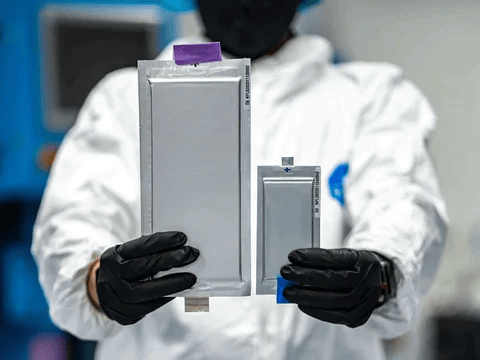
Chinese automotive giant Geely recently made headlines by confirming plans to deploy solid-state battery technology in pilot vehicles starting in 2027. Target specs for their top-tier solid-state cells include a massive energy density of up to 500 Wh/kg — roughly double the ~250 Wh/kg found in current high-performance liquid-electrolyte batteries.
While automotive headlines focus on 1,000 km electric road cars and ultra-fast charging, the real game-changer lies in weight-sensitive platforms — specifically, off-road electric motorcycles.
The Current Off-Road Bottleneck: Weight vs. Energy
Electric dirt bikes like the Stark VARG, Sur-Ron Ultra Bee, and incoming Bonnell 902 have solved the power equation, delivering instant torque that often outperforms gas engines. However, range remains constrained by battery mass.
A high-performance electric enduro bike currently relies on a ~6 to 7 kWh battery pack weighing between 30 and 40 kg — translating to a pack-level specific energy density of roughly 150 to 200 Wh/kg (with average setups operating around ~175–185 Wh/kg). In high-load environments — like deep mud, sand, or continuous hard climbs — that capacity yields about 45 to 90 minutes of aggressive riding before needing a recharge.
Enduro Racing: Levelling the Playing Field
When 500 Wh/kg solid-state technology trickles down to motorcycle manufacturers, the impact on hard enduro and cross-country racing will be immediate:
- Double the Range for the Same Weight: A 35 kg battery pack utilising solid-state cells could store roughly 12 to 14 kWh of energy — doubling seat time without adding a single gram to the bike’s curb weight.
- Or Lighter Bikes for Sprint Events: For motocross or sprint enduros, engineers could halve the battery size to 3.5 kWh, cutting 15 to 20 kg off the machine while keeping current range levels intact. A 90 kg full-size MX bike delivering 80+ horsepower would fundamentally alter power-to-weight dynamics.
- Rapid Charging & Thermal Stability: Solid-state batteries eliminate flammable liquid electrolytes, drastically reducing thermal runaway risks. This allows for far more aggressive fast-charging protocols during pit stops without degrading cell health or causing dangerous overheating.
For multi-hour cross-country races (like GNCC or AORC) or multi-day hard enduros (like Red Bull Romaniacs), this leap removes the need for frequent battery swaps, allowing electric riders to compete head-to-head on distance with 4-stroke combustion bikes.
Can Electric Dirt Bikes Rival Adventure Bikes on Range?
Adventure (ADV) bikes represent the ultimate range test: long distances, sustained highway speeds, remote terrain, and zero charging infrastructure.
A traditional petrol ADV bike (like a Yamaha Ténéré 700 or KTM 890 Adventure) carries 16 to 20 litres of fuel, weighing around 200–220 kg wet, and achieves a realistic range of 350 to 450 km.
To achieve that range on an electric ADV bike today at 100 km/h cruising speeds, you would need a massive 25 to 30 kWh battery. On current liquid-ion tech (averaging ~180 Wh/kg at the pack level), that battery assembly alone weighs roughly 140 to 165 kg. Pushing total vehicle weight well past 300 kg makes the bike unrideable off-road.
With 500 Wh/kg solid-state tech (yielding ~350–400 Wh/kg at the pack level):
- A 25 kWh complete battery pack drops from ~140+ kg down to roughly 60 to 70 kg.
- Total bike weight drops back into the 200–210 kg window — identical to current middleweight petrol ADV bikes.
- The Verdict: Solid-state technology makes 300+ km range electric adventure bikes physically viable for the first time without turning the bike into an unmanageable heavy tank.
Timeline: When Will This Reach the Trails?
While pilot auto programs start around 2027, broad commercial rollout across mainstream passenger cars is anticipated toward 2030 as manufacturing scales down costs.
High-end niche markets like motorsport and premium electric motorcycles often get early access to expensive, low-volume cell runs. Expect prototype electric race bikes featuring solid-state chemistry to hit competition paddocks by 2028–2029, with consumer production models transforming the trail market by the turn of the decade.